
Mastering Your Platform Costs: Pay Per Use Trading vs. Subscriptions
PineForge Team
Automated Trading Platform
You face a critical decision before every trade: which platform to use, and how to pay for it. The choice between a pay per use trading model and a fixed subscription isn't just about price; it dictates your operational flexibility, cost predictability, and ultimately, your profitability. Many traders overpay for features they never touch, or get blindsided by unexpected charges. You need clarity. You need a strategy for your platform costs, just as you have one for your trades. This guide dissects both models, empowering you to align your spending with your trading style. We'll explore the nuances of pay per use trading versus subscriptions, ensuring every dollar invested in your platform serves your strategy directly. You deserve a platform that empowers, not drains, your resources.
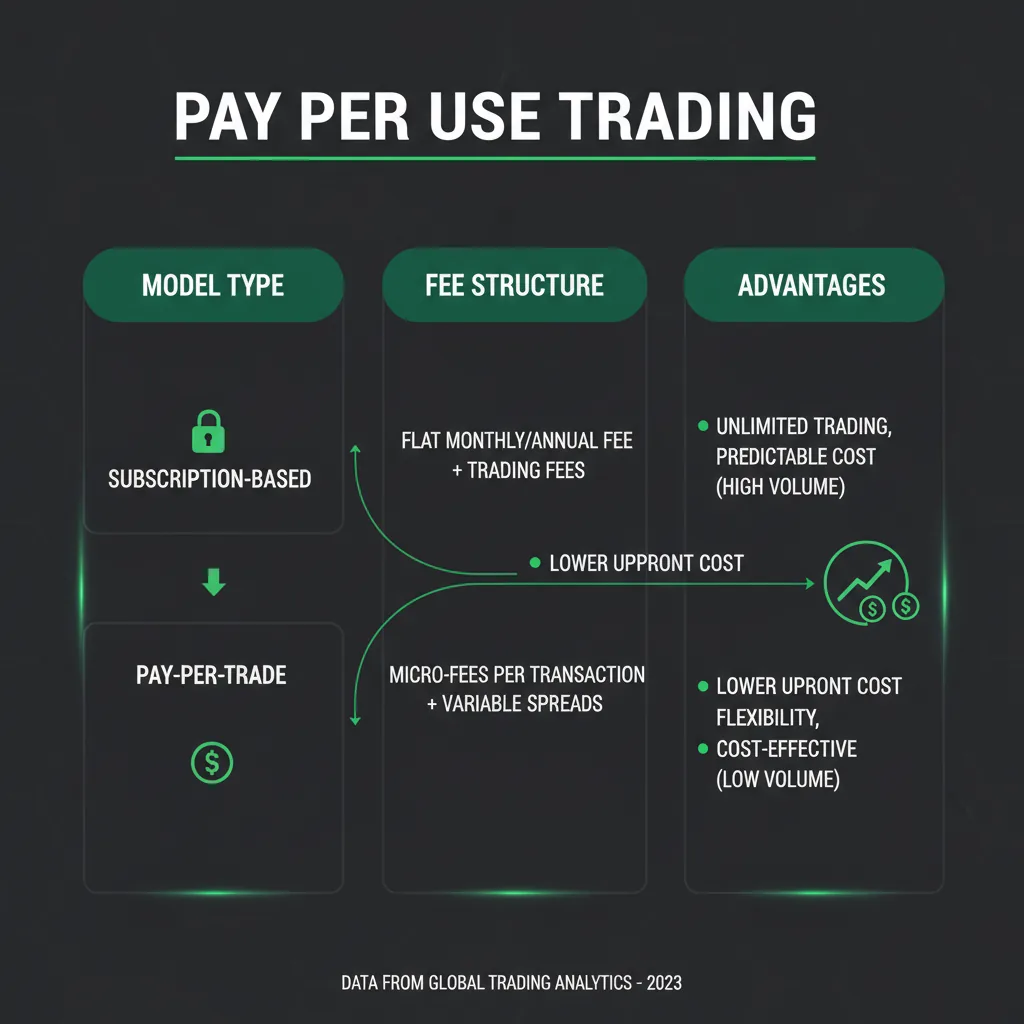
A pay per use trading model charges you based on your actual consumption. You pay for what you use, when you use it. This structure offers direct cost correlation: less activity means lower costs. More activity means higher costs, but ideally, higher potential returns. It's a transparent system. You see the immediate impact of your actions on your expenses.
How Pay Per Use Works
Platforms employing a pay-per-use model often charge for specific actions or resources. This could include a fee per trade, per data request, per backtest, or per minute of bot runtime. You aren't committed to a recurring fee regardless of your activity. This provides flexibility, especially for those with intermittent trading schedules or evolving strategies. You only activate and pay for services when your strategy demands them.
When Pay Per Use Makes Sense
Consider pay per use trading if your trading volume is low or inconsistent. If you execute a few high-conviction trades per month, or if you're still developing your strategy and only running occasional backtest simulations, this model can save you money. It removes the pressure of utilizing a full subscription to justify its cost. You maintain control over your expenditures, scaling them precisely with your market engagement.
Pros and Cons of Pay-Per-Use
The Subscription Model: Predictability and Pitfalls
Subscription models offer access to a suite of features for a fixed recurring fee. You pay monthly or annually, gaining unlimited or tiered access to the platform's tools. This provides cost predictability. You know your overhead each billing cycle. This model often bundles features, data, and support.
How Subscriptions Operate
Typically, subscriptions come in tiers: basic, pro, premium. Each tier unlocks more features, better data, or higher usage limits. You commit to a regular payment, regardless of your actual usage within that period. This structure rewards consistent, high-volume users who maximize their access to every available tool. You get a known, fixed expense, simplifying your budgeting.
Identifying Value in Subscription Tiers
Evaluate subscription tiers critically. Don't pay for features you won't use. A higher tier might offer advanced trading indicators, faster data feeds, or more concurrent trading bots. If your strategy relies on these, the subscription offers clear value. If you only need basic charting, a lower tier or a pay per use trading model is more cost-effective. You must align the offering with your trading needs, not just perceived value.
Pros and Cons of Subscriptions
Cost Efficiency: Which Model Aligns with Your Strategy?
Your trading frequency and style dictate the most cost-efficient model. A swing trader executing a few trades per week has different needs than an algorithmic trading system running hundreds of trades daily. You must match the platform's cost structure to your operational rhythm.
Low-Frequency Traders: A Case for Pay Per Use Trading
If you trade infrequently, focusing on longer-term positions like gold strategies, pay per use trading is often your optimal choice. You avoid paying for platform access during periods of inactivity. This model preserves capital, directing it towards your actual trading operations rather than fixed overheads. It ensures your costs directly reflect your market engagement.
High-Frequency and Algorithmic Traders: Subscription Advantages
For traders running multiple trading bots or engaging in high-frequency strategies, a subscription typically offers better value. The fixed cost covers extensive usage, making the per-trade or per-backtest cost negligible. You benefit from unlimited access to vital infrastructure and data. This predictability is crucial for managing the overheads of continuous automated operations. For example, a multi-bot user on our platform runs 4 bots, generating $5K+ combined P&L, making a fixed subscription highly efficient.
The Hybrid Approach
Some platforms offer hybrid models, combining a base subscription with pay per use trading for advanced features. This provides a balance of predictability and flexibility. You secure core functionality with a flat fee, then only pay extra for specialized tools or excessive usage. This allows you to scale your costs precisely as your strategy evolves and demands increase.
Is Pay Per Use Trading Cheaper for Beginners?
For beginners, pay per use trading can initially appear cheaper due to lower upfront costs. You only pay for what you actively use. However, if you quickly ramp up your trading activity or start extensively backtesting strategies, individual charges can accumulate rapidly. A low-tier subscription might offer more predictable costs as you learn and experiment. You must forecast your likely usage. Consider starting with a model that minimizes fixed costs while providing essential tools, like PineForge's transparent structure.
Can I Switch Between Pay Per Use and Subscription Models?
The ability to switch between pay per use trading and subscription models depends entirely on the platform. Some platforms offer this flexibility, allowing you to upgrade or downgrade as your trading needs change. Others lock you into a chosen plan for a specific period. You must confirm the platform's policy before committing. PineForge offers clear pricing options designed to scale with your progress, ensuring you're never locked into a disadvantageous model.
How Does PineForge Structure Its Costs?
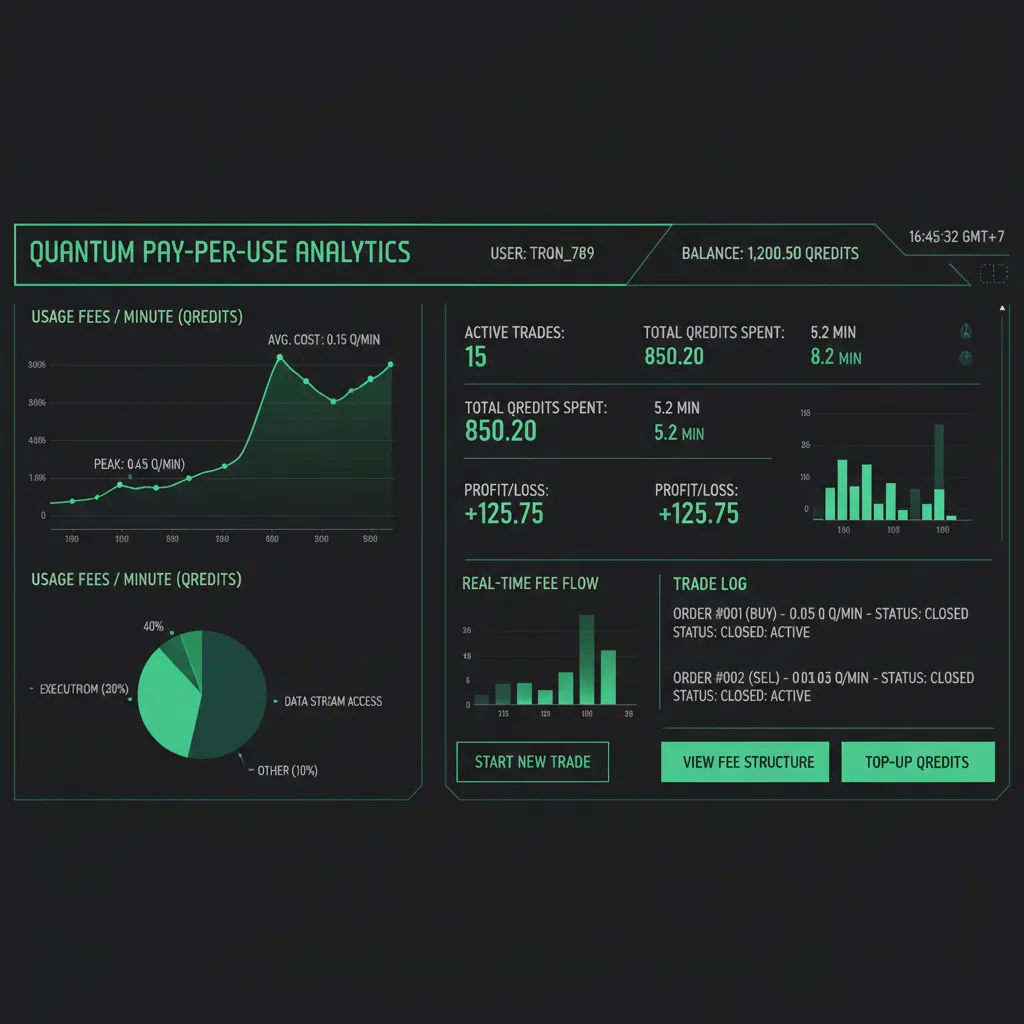
PineForge understands the need for flexible, transparent pricing that empowers traders. We offer a clear path, designed to support your growth from initial strategy development to full-scale algorithmic trading. You start with core functionality, then scale your access and bot deployment as your strategy proves profitable. Our model focuses on providing the tools you need without unnecessary overheads. You control your costs, aligning them directly with your trading ambitions. Our platform provides 13 symbols, 28+ strategies, and 99.9% uptime, ensuring your strategies run reliably.
Building and Testing Your Bots
With PineForge, you gain the power to build your first bot and rigorously backtest it. Our platform prioritizes performance and reliability. You focus on strategy; we handle the infrastructure. This setup ensures that your investment in the platform translates directly into strategic advantage, not just operational costs.
Transparent Pricing and Scalability
Our pricing model is built on transparency. You understand exactly what you're paying for. As your confidence grows and your strategies mature, you can effortlessly scale your operations. This ensures that whether you're testing a single idea or deploying multiple bots across various markets like forex vs crypto, your platform costs remain rational and predictable.
Conclusion
The decision between pay per use trading and a subscription model impacts your bottom line significantly. You must choose the structure that best supports your trading volume, frequency, and strategic goals. For intermittent traders, pay-per-use offers cost control. For active algorithmic traders, a subscription provides predictable, extensive access.
PineForge empowers you to make this informed choice. We provide robust tools, transparent pricing, and the flexibility to grow your trading operations efficiently. You don't just execute trades; you strategize your entire trading ecosystem. Take control of your costs. Optimize your platform. Master your market. Signup for PineForge today and start building your advantage.
| Feature | Pros | Cons |
|---|---|---|
| Cost Control | Pay only for what you consume. | Costs can become unpredictable. |
| Flexibility | Ideal for infrequent or new traders. | High-volume trading becomes expensive. |
| Transparency | Direct correlation between use & cost. | Requires diligent cost tracking. |
| Commitment | No long-term financial obligation. | May lack access to advanced features. |
| Feature | Pros | Cons |
|---|---|---|
| Cost Control | Predictable monthly/annual expense. | You pay even if you don't use features. |
| Flexibility | Access to a full suite of tools. | Less flexibility for intermittent use. |
| Transparency | Clear, fixed pricing. | Hidden costs for add-ons or upgrades. |
| Commitment | Long-term access to platform. | Financial commitment, even if inactive. |
Start Trading Smarter
Build, backtest, and deploy your strategies with PineForge. No coding experience required.