Mastering Asian Session Range Trading Strategies for Forex & Gold
PineForge Team
Automated Trading Platform
Many traders face frustration during the Asian trading session. You see reduced volatility, tighter ranges, and seemingly fewer opportunities. This environment often leads to hesitation, or worse, overtrading in low-probability setups. You need a structured approach to transform this perceived quiet period into a consistent advantage. This is where mastering asian session range trading strategies becomes critical. You can learn to identify predictable price movements, set clear entry and exit points, and even automate your entire process. We will show you how to leverage PineForge to define these unique market conditions, pinpoint high-probability setups, and execute with precision. Your strategy should work for you, even when the market appears to be sleeping.
The financial markets never truly sleep. However, their activity levels shift dramatically across different global trading sessions. The Asian session, often referred to as the Tokyo session, sets the stage for the day. You must understand its characteristics to exploit its unique opportunities.
Defining Session Times and Characteristics
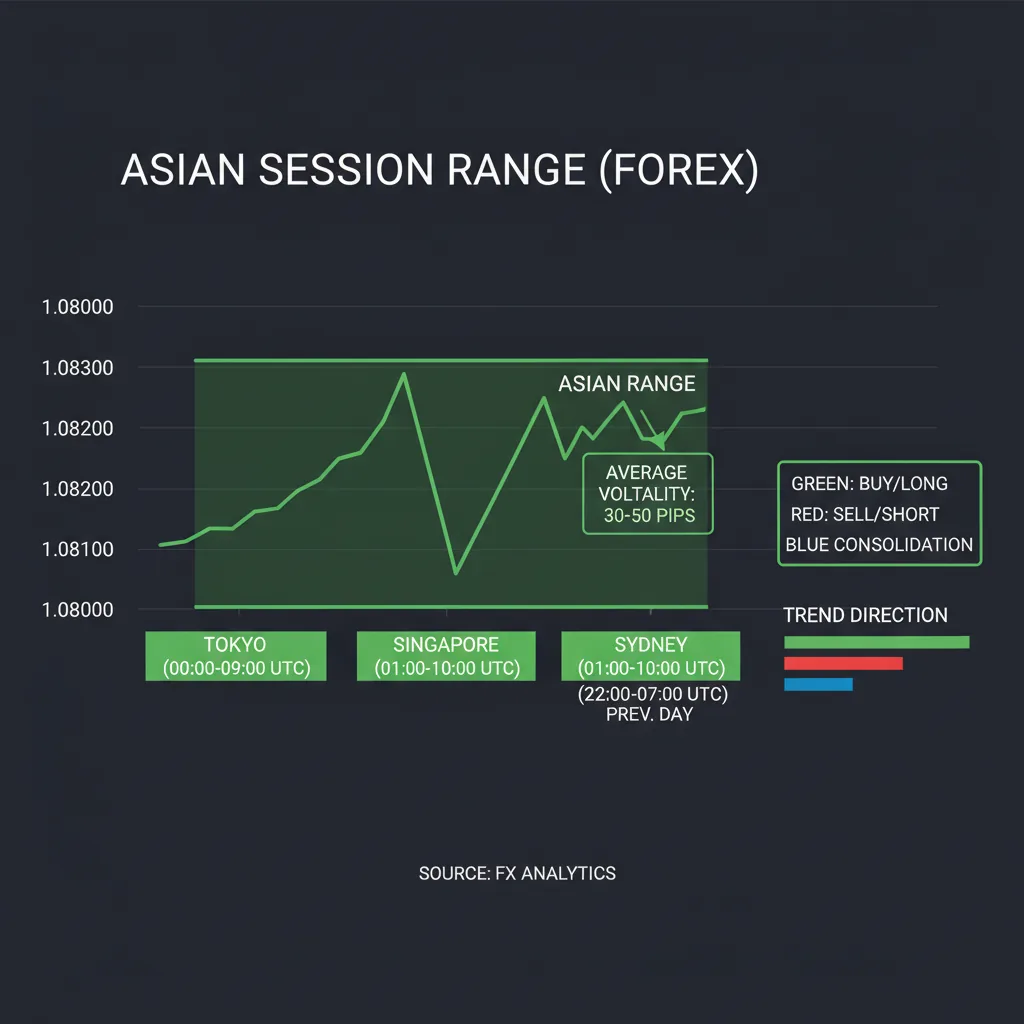
The Asian session typically runs from 00:00 GMT to 09:00 GMT (or 19:00 EST to 04:00 EST). During this period, liquidity often originates from major Asian financial hubs like Tokyo, Sydney, Singapore, and Hong Kong. You frequently observe lower overall volatility compared to the London or New York sessions. Price action often consolidates, forming distinct ranges. This consolidation provides fertile ground for specific range-bound trading strategies. You must recognize these patterns.
Why the Asian Session is Unique
You encounter specific dynamics in the Asian session that you do not see elsewhere. Major news events are less frequent. The market often processes reactions from the preceding New York close. This leads to a period of accumulation or distribution within a defined price band. You can capitalize on this predictability. Volume is generally lighter, which can lead to false breakouts if you are not careful. However, it also means price often respects identifiable support and resistance levels. You must adapt your approach to these conditions.
Identifying Key Assets for Asian Session Range Trading
Not all assets behave the same during the Asian session. You need to focus on instruments that exhibit the most predictable range-bound behavior. This selection process is crucial for your success.
Forex Majors and Minors
Certain currency pairs are natural candidates for asian session range trading. Pairs involving JPY, AUD, and NZD often show increased activity and clearer ranges. Examples include AUD/USD, NZD/USD, USD/JPY, and EUR/JPY. You can also trade major pairs like EUR/USD, GBP/USD, and USD/CHF, which often consolidate before the European open. You must monitor their typical range and volatility.
Gold and Cryptocurrencies
Gold (XAU/USD) frequently exhibits ranging behavior during the Asian session. Its reaction to global events often takes time to fully develop, leaving periods of consolidation. You can apply range-bound principles here effectively. Gold strategies that focus on support and resistance can be highly profitable. Similarly, some cryptocurrencies, particularly those with strong Asian market presence, can also present ranging opportunities. You must always consider the specific asset's liquidity and typical daily range. For example, our XAUUSD EMA strategy shows a 74.2% win rate with a 2.31 profit factor and +87.4% return.
Here's a comparison of typical characteristics:
Strategies for Trading the Asian Session Range
You need concrete strategies to capitalize on the asian session range. These involve identifying the range and planning your entry and exit points.
Breakout vs. Reversal Approaches
You have two primary approaches:
You must choose the approach that aligns with your risk tolerance and market analysis. PineForge allows you to test both.
Using Indicators to Confirm Ranges
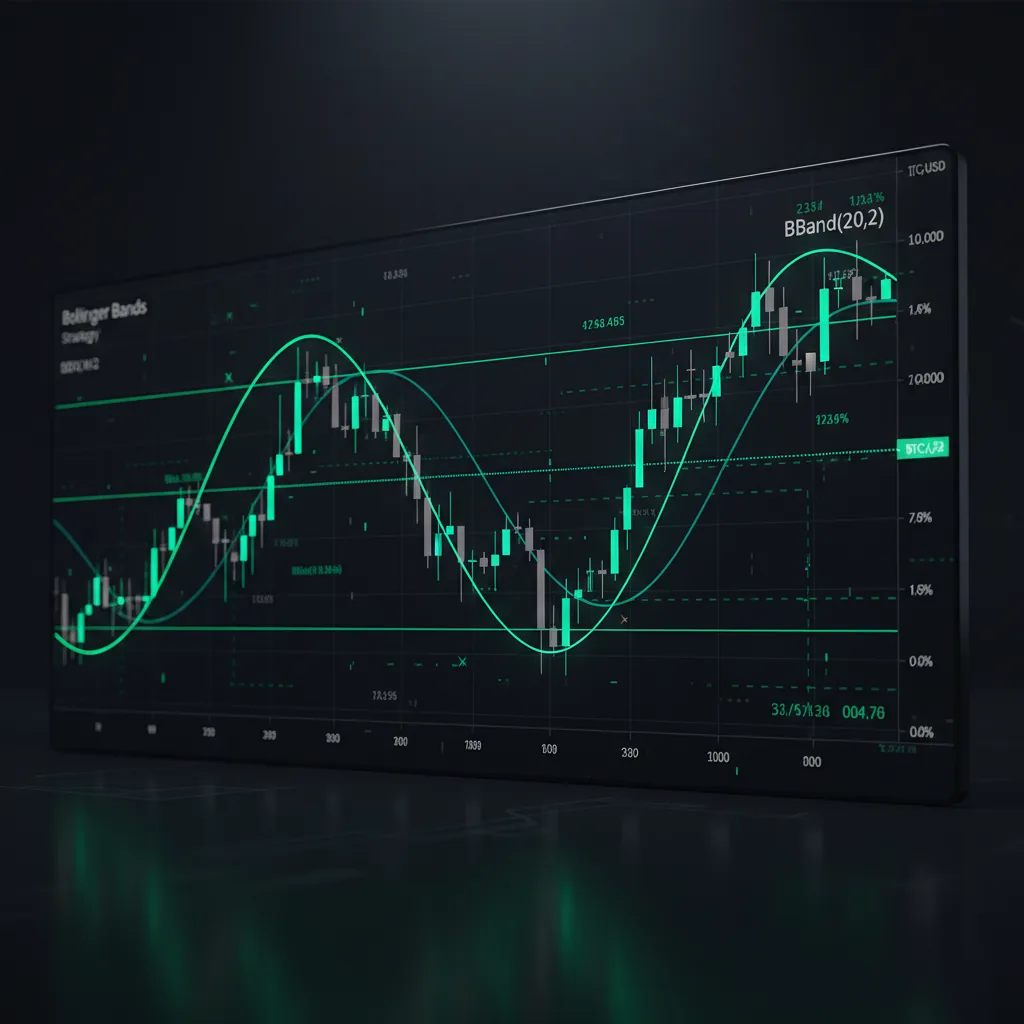
Indicators enhance your range identification. Bollinger Bands, Keltner Channels, and Average True Range (ATR) are valuable. You look for Bollinger Bands to contract, indicating low volatility and potential range formation. Keltner Channels can define the boundaries of the range. ATR helps you gauge the typical size of the range, assisting with profit target and stop-loss placement. You combine these tools to build conviction.
You can define the Asian session and its range in Pine Script:
\\\`pine
//@version=5
indicator(
| Asset Type | Average Volatility (Asian Session) | Liquidity (Asian Session) | Typical Range Behavior | Best For |
|---|---|---|---|---|
| JPY Pairs | Moderate | High | Clear, tradable ranges | Breakout/Reversal |
| AUD/NZD Pairs | Moderate | Moderate to High | Defined ranges | Reversal |
| EUR/USD, GBP/USD | Low | High | Tight consolidation | Breakout (later) |
| XAU/USD (Gold) | Moderate | High | Definable ranges | Reversal |
| BTC/USD (Crypto) | Variable (often lower) | Moderate | Can range, watch news | Reversal |
Start Trading Smarter
Build, backtest, and deploy your strategies with PineForge. No coding experience required.